November is diabetes awareness month and Pisgah Valley is always happy to share information about this disease that affects so many. Currently there are over 100 million people living with some type of diabetes in the United States according to a 2017 report by the CDC. Contrary to many people’s thoughts on diabetes, this disease can still be a part of someone’s life and not ruin it; that is if regular testing and checkups are performed properly. Once a diabetes diagnosis has been given, that person must learn how to navigate this disease and one way of navigating concisely is through the interpretation and understanding of different test results.
What are some of the tests for diabetics?
A1C
This test gives an average look at how diabetes is controlled over a three month period. Specifically, the A1C or hemoglobin A1C test shows the percentage of red blood cells that have sugar coated hemoglobin. Those suffering from diabetes should have this test performed in a doctor’s office every three months. A normal A1C result should be below 5.7%. Prediabetes results range from 5.7-6.4% and diabetes results range from 6.7% or higher. An A1C test can be done at any time of the day because fasting is not required.
Blood Sugar
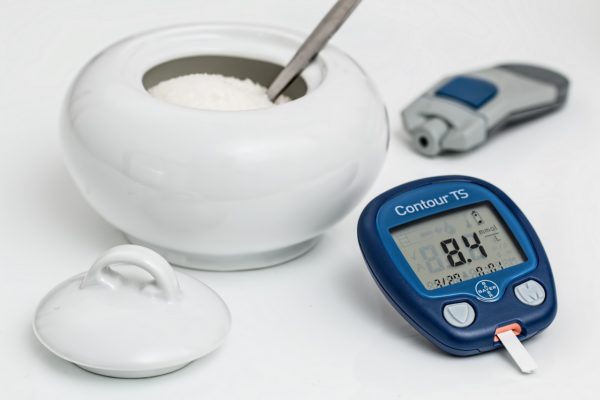
Most food eaten is broken down into sugar and released into the bloodstream. Diabetes is a condition in which there is too much sugar in the blood stream. If diagnosed with type 1 or type 2 diabetes, the person must self-test periodically throughout the day. Optimal times of the day for testing include:
- Upon waking up from a night’s sleep
- Before a meal
- Two hours after a meal
- At bedtime
Healthy target range before a meal: 80-130mg/dl
Healthy target range two hours after eating: Less than 180 mg/dl
Other Recommended Annual Tests
Along with the A1C and blood sugar testing, an annual doctor’s visit should be scheduled for measuring blood pressure, cholesterol and a foot exam at a minimum.
Foot Exam
Once per year a diabetic sufferer should have their feet checked. This is most oftentimes performed in a doctor’s office with a “mono-filament” which is a little piece of nylon that just barely touches the skin. If a person can feel this, they are much less likely to have an amputation. If a person cannot feel this then most likely their blood sugars are chronically high and a risk for amputation is realistic at some point.
Diabetes does not have to be a fatal or interrupting diagnosis. With proper education, regular testing and healthy habits, a person can live a fulfilled life with diabetes for many years to come. Join Pisgah Valley and wear blue in support of World Diabetes Day on November 14.
November 1, 2019
November is diabetes awareness month and Pisgah Valley is always happy to share information about this disease that affects so many. Currently there are over 100 million people living with some type of diabetes in the United States according to a 2017 report by the CDC. Contrary to many people’s thoughts on diabetes, this disease . . . Read More